Sell Online Without Running a Second Business
Your Products Should Be Findable, Not Just Purchasable
Most ecommerce advice assumes an online store is the whole business. For a local business it's usually an addition: the same customers, buying things they already come to you for, at hours you're closed.
That changes what matters. It isn't traffic volume. It's whether the products you sell show up when somebody nearby asks for them, and whether checkout works well enough that they finish.
Your Catalog Is Content
Every product page is a page that can be found, indexed and named.
A product page that says what the item is, what it costs, whether it's in stock and whether you deliver is exactly the kind of page that answers a real question. "Where can I buy this near me" is a question people ask, and it gets answered from pages like that.
Which means your store isn't separate from your visibility. It's part of it. The same work that makes a service page findable makes a product page findable.
What's Included
A storefront built into the site you already have.
Built to Sell. Built to Fit.
Your store should work like part of your business, not another business to manage.
One Login, Not Two Businesses
What stalls most local ecommerce isn't sales. It's admin.
A separate store platform means a separate login, a separate customer list, separate reporting and one more thing to remember to update. That's how online sales quietly become the part of the business nobody has time for.
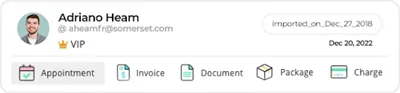
Here the store sits inside the platform that already holds your leads, your calendar and your invoicing. Same customer record whether they booked a job or bought a product.
Sell to the People Already Looking for You.
Let's See What You Could Be Selling.
We'll show you what a storefront on your site would look like, and how it fits with everything else you're already running.
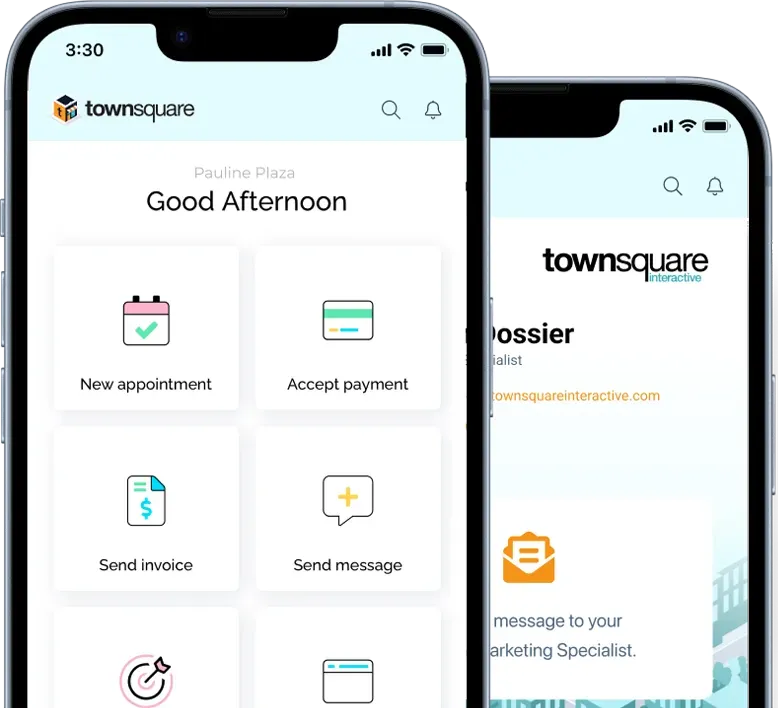
Get the Townsquare Business Management Platform App
Manage your business from anywhere, on any device

.png)